
The first mistake most people make with herbs is the same mistake I made. You get interested, you read a few things, and within a month you’ve got forty jars of dried material on a shelf and no idea what to do with thirty-five of them.
You don’t need forty. You need about ten, and you need to know those ten well.
Here’s where I’d start somebody, and more importantly, why.
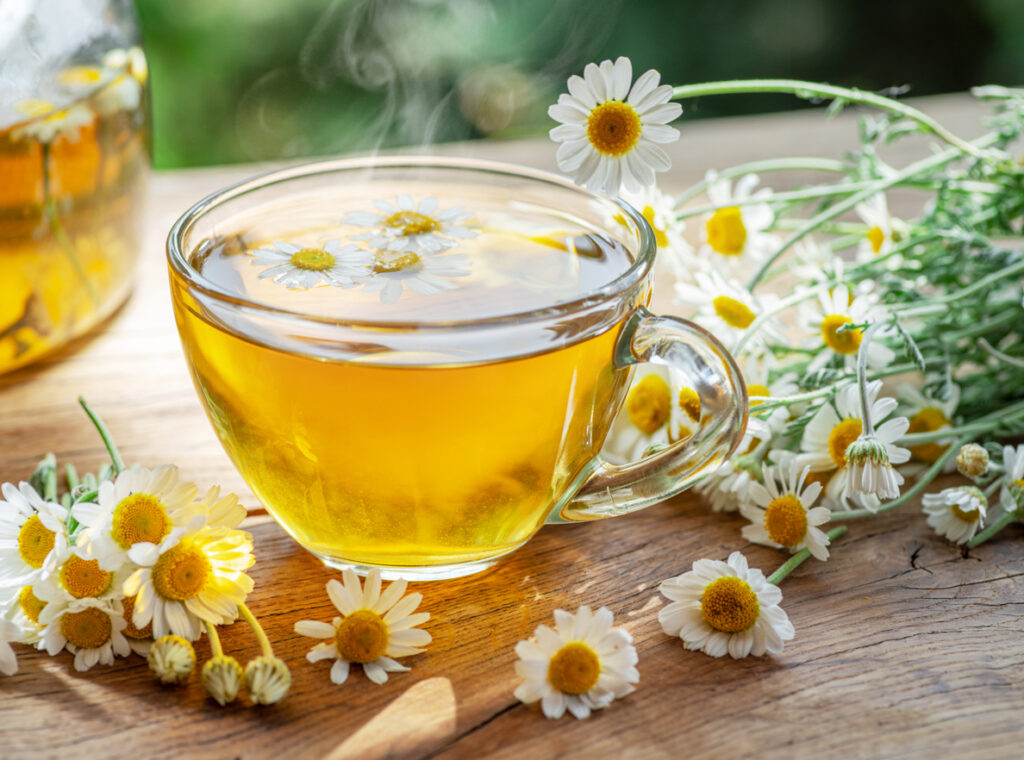
1. Chamomile
The one I’d hand to anybody. Gentle enough for most people, useful for winding down at the end of the day, and it does something for an unsettled stomach too. It’s also one of the easier herbs to grow, and it self-seeds, so you plant it once and it keeps showing up.
Worth knowing: chamomile is in the same family as ragweed, so if you’ve got a serious ragweed allergy, be careful the first time.
2. Peppermint
Peppermint earns its place on usefulness alone. Tea for an upset stomach, steam for a stuffy head, and it’s pleasant enough that people will actually drink it, which matters more than herbalists like to admit.
One caution people skip: peppermint can make reflux worse in some people, because it relaxes the sphincter at the top of the stomach. If you’ve got GERD, this may not be your herb.
3. Calendula
If I could only have one herb for skin, this would be it. Calendula goes into salves, into infused oil, into a wash for scrapes. It’s the base of the first salve I’d have a beginner make.
It’s also cheerful to look at and it blooms all season if you keep cutting it, which you will be.
4. Plantain
Not the banana. The broadleaf weed growing in your yard right now, probably in the compacted part where the grass gave up.
Plantain is the classic drawing herb for stings and bites. It’s free, it’s everywhere, and being able to identify one useful plant in your own yard changes how you look at the rest of them.
5. Lemon Balm
Lemon balm is what I reach for when somebody is wound up. It’s mild, it tastes good, and it’s another one that grows without much help. In fact it grows a little too well, so put it in a pot or in a spot you don’t mind it taking over.
6. Elderberry
The most popular herb in this category by a wide margin, and popular for a reason. Elderberry syrup is the recipe I get asked about more than any other.
A real caution here, and it’s not optional: raw elderberries and all the green parts of the plant contain compounds that will make you sick. The berries have to be cooked. And elderberry has immune-stimulating properties that mean it isn’t right for everybody, particularly people on immunosuppressants or with autoimmune conditions. Ask before you start.
7. Yarrow
Yarrow is the one people forget. It’s a first aid herb, traditionally used to slow bleeding from small cuts, and it’s useful in a tea for the kind of fever-and-chills day where you just want to sweat it out.
Learn to identify it carefully. It has look-alikes in the wild and some of them are genuinely dangerous. If you’re not confident, grow it rather than forage it.
8. Lavender
Partly practical, partly because it makes everything you put it in more pleasant to use. Lavender goes in salves, in oil, in the bath, in a sachet. And it’s one of the few herbs where the smell alone is doing part of the work.
Lavender is fussier about drainage than the rest of this list. It wants dry feet and it will rot in wet clay.
9. Ginger
You’ve already got it in your kitchen, which is exactly the point. Ginger for nausea has real research behind it, more than most herbs on this list, and it’s about as well-tolerated as an herb gets.
At higher doses it can thin the blood somewhat, so if you’re on an anticoagulant, that’s worth a conversation with your pharmacist.
10. Thyme
Another kitchen herb doing double duty. Thyme in a steam or a tea for a chest cold, thyme in an oxymel, thyme in the pot roast. It’s antimicrobial, it grows in poor soil, and it’s hard to kill.
Start with three
Don’t buy all ten. Pick three, work with them for a season, and learn what they actually do in your hands rather than what a website said they do.
If you want my three: chamomile, calendula, and plantain. One to drink, one to put on your skin, and one growing free in your yard.
Now the part I’d want you to hear. I spent forty years as a nurse, and it made me careful in a way that not everybody writing about this is. Every herb on this list is a real substance with real effects. That’s the whole point of using them, and it’s also exactly why they deserve respect.
If you take prescription medication, if you’re pregnant or nursing, or if you’re managing a chronic condition, talk to your doctor or your pharmacist before you start any of this. Pharmacists in particular are an underused resource here. They know interactions better than almost anybody and most of them will talk to you for free.